
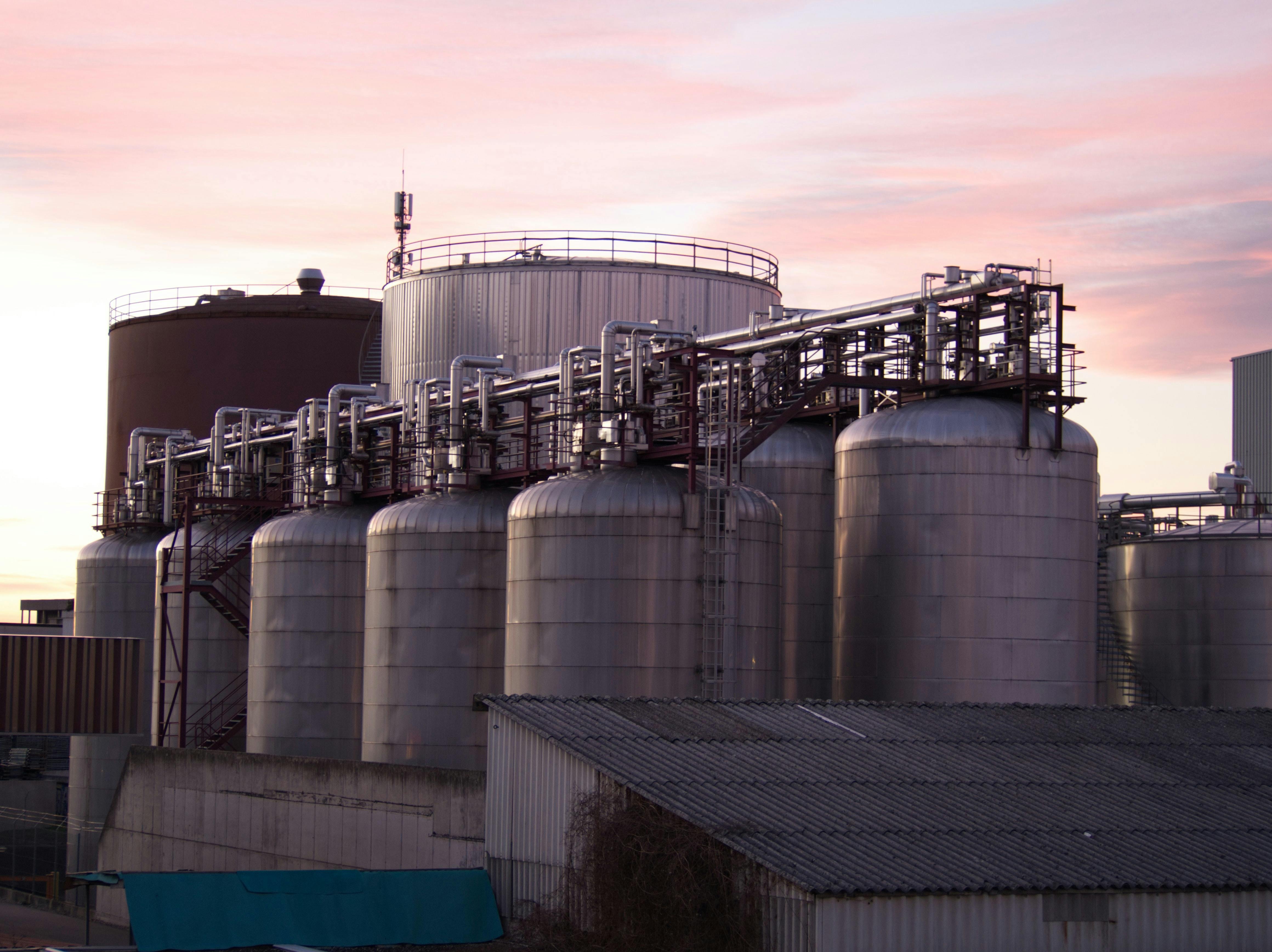
Long Duration Energy Storage (LDES) stands as the pivotal technology driving the integration of renewable energy into our power grids, accelerating the journey towards carbon neutrality. Although the LDES Council lacks a precise duration definition, the US Department of Energy (DOE) identifies long-duration as having a storage capacity of 10 hours or more. LDES offers an affordable, reliable, and sustainable solution, facilitating the transition to renewable energy sources.
While wind, solar, and other renewables emerge as the most cost-effective forms of generation, the challenge lies in aligning their supply with demand, especially during peak periods in the morning and evening, traditionally addressed by burning fossil fuels.
The recent upheavals in the energy sector have underscored the need for an affordable, reliable, and clean energy system, elevating energy security on the global agenda.
Beyond bridging supply-demand gaps, LDES can play a crucial role in increasing the share of renewables in the energy mix, ensuring resilience in prolonged durations for unreliable grids (such as isolated or off-grid locations), facilitating cost-effective 24/7 renewable power purchase agreements (PPAs), and providing essential stability services to the grid. It is estimated that the world's electricity grids will need to deploy 8 terawatts (TW) of long duration energy storage by 2040, representing a market potential of USD 4 trillion.
Technologies suited to longer durations
The essential attributes of energy storage technologies lie in their energy capacity (the overall stored energy quantity) and power (the discharge rate). These characteristics can either be coupled (linked together) or decoupled within a storage technology. Technologies that enable a more flexible decoupling of power and energy capacity, allowing independent scaling of each without affecting the other, may be better suited for extended-duration applications.
Pumped Hydropower
Pumped hydropower, representing 95% of all energy storage in the United States, involves pumping water to a high reservoir during low power demand and releasing it during high demand. While the technology is mature, construction costs are high, and geographical limitations exist.
Hydrogen
Hydrogen, currently utilised in fuel cell vehicles, heavy industry, and fertiliser production, can be turned "green" by using surplus renewable electricity for electrolysis. "Power to gas" technology converts water into hydrogen for long-term storage, utilising existing natural gas infrastructure or underground caverns. Developing the hydrogen infrastructure is complex and costly, with an estimated 10-year timeline for full implementation.
Flow Batteries
Flow batteries, employing liquid electrolytes in battery stacks for electricity generation through redox reactions, offer an alternative. While vanadium chemistry is prevalent, other variations exist. Positioned between shorter-duration Li-ion batteries and seasonal storage, their readiness is still under scrutiny.
Gravity Storage
Energy Vault employs a concept similar to pumped storage, utilising automatic cranes to create a tower of 35-ton blocks that drop when energy is needed. Although gaining attention, the durability of this technology is uncertain due to its novelty.
Compressed Air Energy Storage (CAES)
CAES is a method of converting electrical energy into compressed air during periods of low energy demand or when there is surplus electricity, typically using an electric motor-driven compressor. The compressed air is then stored in underground caverns, large tanks, or other suitable containers.
Companies like Corre Energy have pioneered hydrogen-based compressed air energy storage (HCAES) as a form of energy storage that combines the principles of CAES with the use of hydrogen as a key component. HCAES has the potential to offer a more versatile and widely applicable solution for large-scale energy storage, contributing to the integration of renewable energy sources into the electrical grid.
Liquid Air
In this method, electricity cools air into a liquid, which, when warmed and released, spins a turbine. Highview Power, a British company, has projects with output durations exceeding 10 hours, but the liquefaction process incurs high costs.
Metal-Air Batteries
Form Energy, a US-based company, introduced an iron-air-exchange battery using iron pellets that rust in oxygen and revert to iron when the oxygen is removed. Claiming to store 100 hours of energy at less than USD 20/kWh, this new technology is still in its early stages of commercial viability.
Newsletter
Join 20,000+ investors, industry leaders, and innovators shaping the future of the energy sector. Get expert insights and exclusive to investment opportunities delivered straight to your inbox monthly. Subscribe now and stay ahead of the market.