
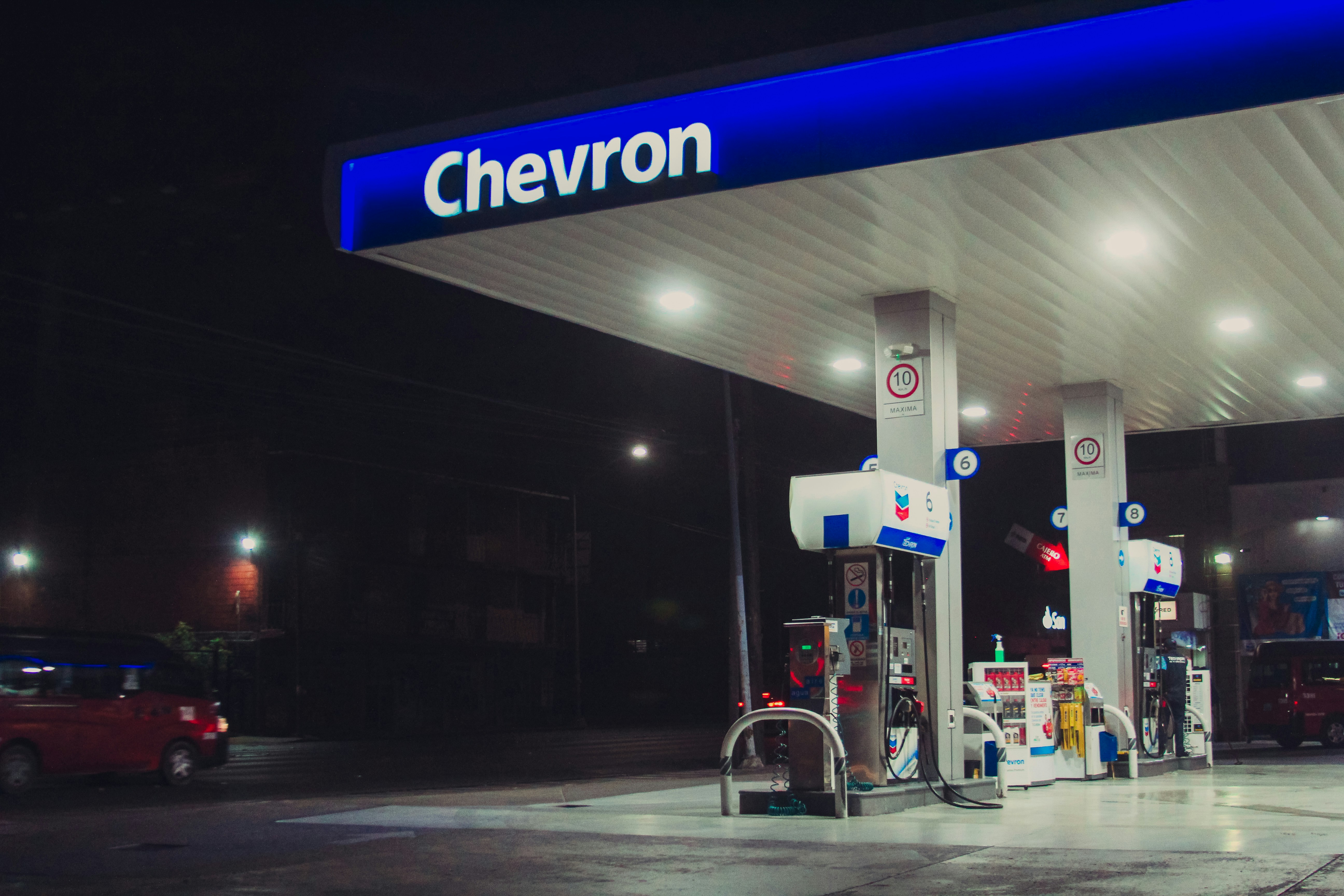
Chevron has revealed its intentions to establish an inaugural green hydrogen facility at the Lost Hills oil field in Kern County, southern California. Set to commence operations by early 2026, the project will leverage power from an existing 29MW solar plant, estimated to meet 80% of the oil field's annual energy needs. The 5MW electrolyser is anticipated to generate up to 2.2 tonnes of hydrogen daily. Chevron plans to utilise "non-potable" water, a by-product from its oil field operations, as a feedstock for green hydrogen production, despite being non-drinkable.
The Lost Hills initiative aims to supply hydrogen for a refuelling network in California. Chevron had previously partnered with Japanese firm Iwatani in 2022 to co-develop 30 hydrogen filling stations across the state by 2026. However, a legal dispute between Iwatani and technology supplier Nel has arisen, claiming that six stations were too defective to operate or start up, despite four being listed as operational on Iwatani's website.
While fellow oil major Shell has exited the market for supplying hydrogen fuel to light-duty passenger vehicles in California, Chevron emphasises that launching the 5MW Lost Hills electrolyser hinges on various factors, including flexible and supportive policies and regulations at both federal and state levels.
The startup considerations may be related to the final guidance for the 45V clean hydrogen production tax credit, providing $3 per kilogram if carbon intensity does not exceed 0.45kgCO2e/kgH2. Draft rules released by the Treasury in December outline criteria for zero-carbon power supply from new assets within three years of the hydrogen facility and hourly matching of electricity used by electrolysers with renewable energy from 2028.
Environmental groups and analysts argue that these rules are essential safeguards, preventing zero-carbon electricity from being replaced by fossil-fired power generation. However, industry voices contend that these regulations could inflate the cost of green hydrogen, making it challenging for the 45V tax credit to bridge the cost gap with fossil-fuel-derived grey hydrogen or diesel.
At the state level, California mandates a third of hydrogen supplied to subsidised refuelling stations to be renewable. Despite a recent legislative attempt to establish additional requirements for legal compliance, the bill did not progress beyond early February.
While the Lost Hills project represents Chevron's first independent foray into electrolyser development, the company has previously acquired a majority stake in the ACES Delta project in Utah, featuring a 220MW facility with salt-cavern storage for 11,000 tonnes of hydrogen. Additionally, Chevron owns half of a waste-to-hydrogen facility set to be constructed in northern California this year, intending to supply refuelling stations in the state.
Newsletter
Join 20,000+ investors, industry leaders, and innovators shaping the future of the energy sector. Get expert insights and exclusive to investment opportunities delivered straight to your inbox monthly. Subscribe now and stay ahead of the market.