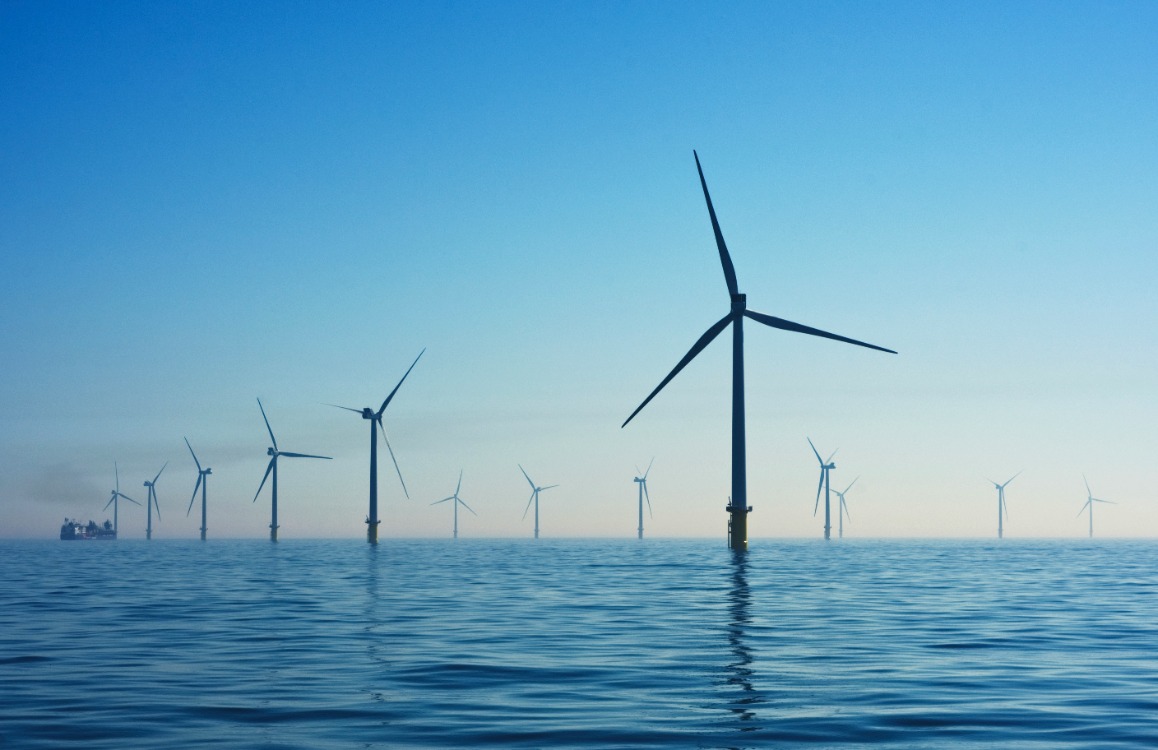
A critical subsidy allocation round for the UK government's ambition to achieve clean electricity by 2030 has granted contracts to offshore wind projects capable of supplying approximately 12 million households with power.
Energy firms competed in Great Britain's most contested renewable energy subsidy tender yet, seeking agreements that lock in prices for every unit of green power they produce.
Eight new offshore wind developments received contracts following a ministerial decision to boost available funding for developers, facilitating projects valued at £22 billion.
Officials anticipate the capital injection will create 7,000 specialized positions, while reiterating their commitment that the clean energy initiative will permanently reduce household energy costs.
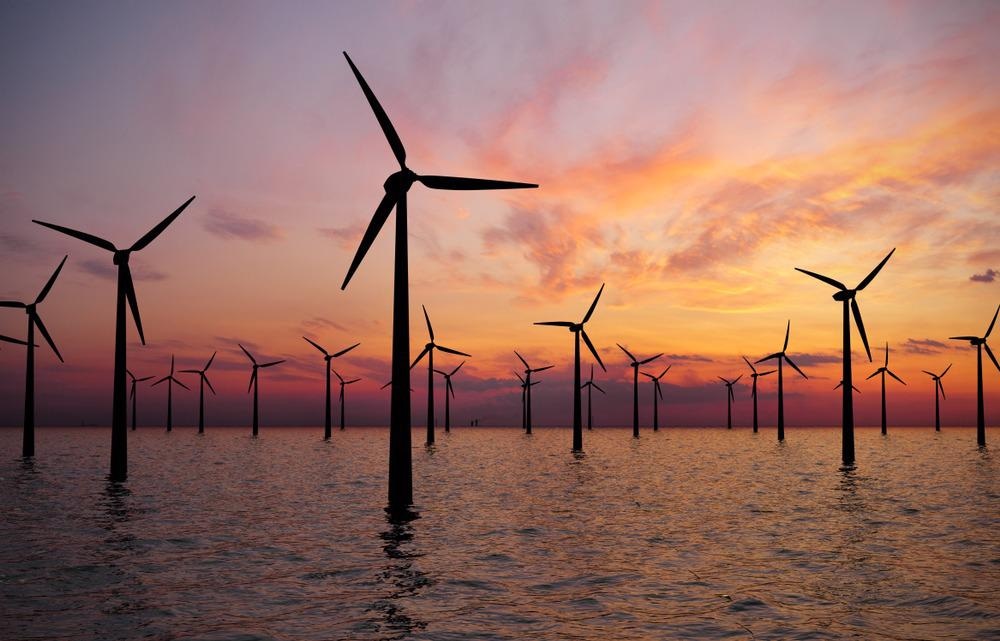
The allocated subsidies support offshore wind installations totaling 8.4 gigawatts in capacity, sufficient to supply clean power to over 12 million British households before 2030 concludes.
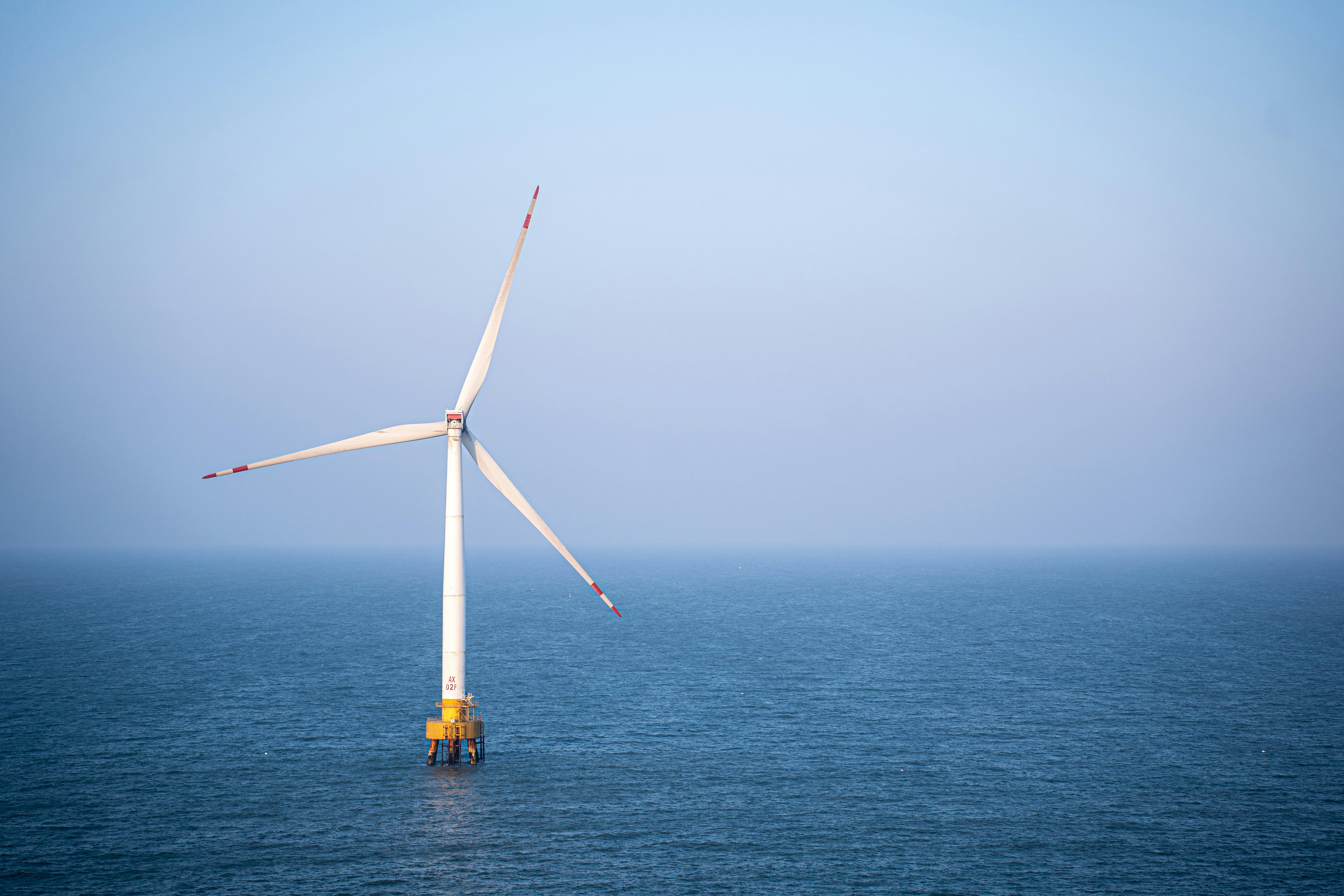
The approved projects encompass both conventional bottom-fixed turbines and innovative floating installations that enable development in significantly deeper North Sea waters.
Fixed-bottom installations in Scotland received contract prices of £89.49 per megawatt-hour in 2024 values, while English and Welsh projects secured £91.20 per megawatt-hour. The pair of floating developments obtained contracts at £216.49 per megawatt-hour.
Energy Secretary Ed Miliband stated: "We've secured a record-breaking 8.4GW of offshore wind … This is the largest amount of offshore wind procured in any auction ever in Britain or indeed Europe."
He described the outcome as "a significant step towards clean power by 2030", further noting: "The price secured in this auction is 40% lower than the alternative cost of building and operating a new gas plant. Clean, homegrown power is the right choice to bring down bills for good, and this auction will create thousands of jobs throughout Britain."
German energy giant RWE emerged as the leading winner, obtaining agreements for its Dogger Bank South and Norfolk Vanguard developments. SSE secured approval for the initial stage of its substantial 4.1GW Berwick Bank installation located off Scotland's coastline.
While the successful bid prices exceed those from earlier rounds and surpass current wholesale electricity market rates of approximately £81 per megawatt-hour, analysts suggest expanding wind capacity within Britain's energy mix may still reduce consumer costs by decreasing market prices through reduced reliance on costly gas-fired generation.
The tender's outcome was deemed essential for delivering on the government's campaign commitment to double onshore wind capacity, triple solar generation, and quadruple offshore wind by 2030, targeting a nearly carbon-free electricity grid by decade's end.
Nevertheless, authorities must replicate this landmark auction's performance by procuring an additional 8GW of offshore wind capacity at comparable prices in next year's allocation to reach their target of securing between 43GW and 50GW of offshore wind by 2030.
Alon Carmel, an offshore wind specialist at PA Consulting, characterized the allocation round as "a litmus test for the resilience of UK offshore wind after two challenging years".
Carmel noted: "The results will signal whether the sector can regain momentum toward 2030 targets or faces a prolonged slowdown."
The sector has confronted escalating expenses driven by supply chain inflation and elevated financing costs for multi-billion-pound developments. Major developers operating in American markets have additionally encountered growing political opposition under the Trump administration.
Critics have challenged the UK government's decision to accelerate offshore wind investment during a period of heightened costs. Industry advocates counter that rapid investment is essential for replacing Britain's aging nuclear and gas infrastructure, with approximately half scheduled for decommissioning before 2035.






.jpg)
.jpeg)


%20v1.jpg)


.jpg)